Chamber Music Lessons and Classical CD Sales by Mikiko Yamamoto
Music has a unique way of connecting people. It can evoke emotions, tell stories, and create lasting memories. For many, chamber music is a special genre that embodies these qualities. In this blog post, we will explore the world of chamber music lessons and the classical CD sales offered by Mikiko Yamamoto. Whether you are a beginner or an experienced musician, there is something here for everyone.
Chamber music is often described as music for small ensembles. It typically involves a few musicians playing together, creating a rich tapestry of sound. This intimate setting allows for a deeper connection between the performers and the audience. Mikiko Yamamoto understands this connection well. She offers chamber music lessons that cater to various skill levels, helping students discover the joy of playing in a group.
The Joy of Chamber Music Lessons
Chamber music lessons are a fantastic way to improve your musical skills. They provide an opportunity to learn from others and collaborate in a supportive environment. Here are some key benefits of taking chamber music lessons:
Collaboration: Playing with others teaches you how to listen and respond musically. You learn to blend your sound with that of your peers.
Communication: Chamber music requires clear communication. Musicians must convey their intentions through body language and eye contact.
Creativity: Working in a small group allows for more creative expression. You can experiment with different interpretations and styles.
Confidence: Performing in front of others builds confidence. You learn to trust your abilities and take risks.
Mikiko's lessons focus on these aspects, ensuring that students not only improve their technical skills but also develop a love for music.
What to Expect in a Chamber Music Lesson
When you sign up for chamber music lessons with Mikiko Yamamoto, you can expect a structured yet flexible approach. Here’s what a typical lesson might look like:
Warm-Up: Each session begins with warm-up exercises. These help to prepare your instrument and get you in the right mindset.
Repertoire Selection: Mikiko encourages students to choose pieces that resonate with them. This personal connection makes practice more enjoyable.
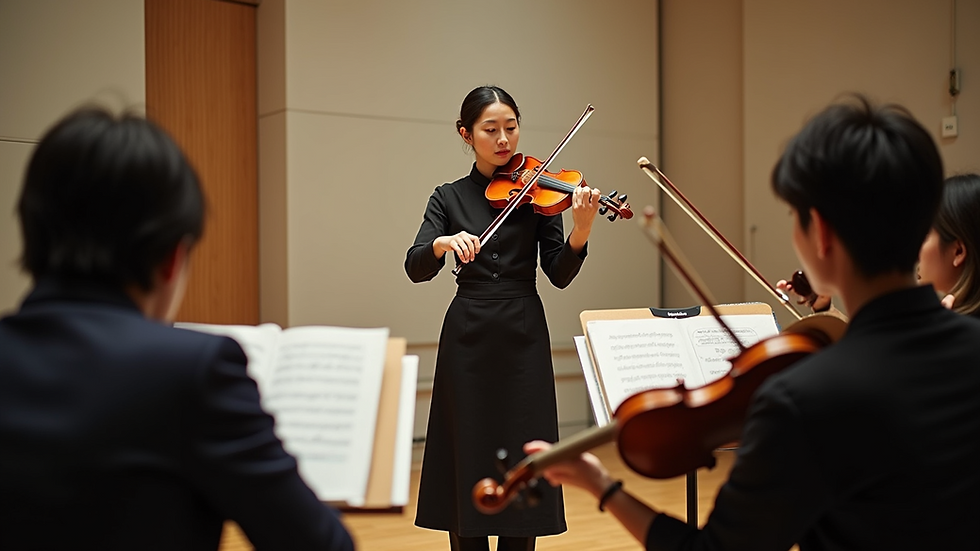
Group Practice: Students play together, focusing on dynamics, phrasing, and ensemble playing. Mikiko provides guidance and feedback throughout.
Performance Opportunities: Regular performances are organized to showcase the students' progress. This helps build confidence and stage presence.
Individual Attention: While group dynamics are essential, Mikiko also offers individual feedback to help each student grow.
By following this structure, students can expect to see significant improvement in their playing abilities.
The Importance of Classical CD Sales
In addition to offering lessons, Mikiko Yamamoto also sells classical CDs. These recordings are an excellent resource for students and music lovers alike. Here are a few reasons why classical CDs are important:
Listening Skills: Listening to professional recordings helps students develop their ear. They can learn how to interpret pieces and understand different styles.
Inspiration: Hearing accomplished musicians can inspire students to reach new heights in their playing. It can motivate them to practice and improve.
Historical Context: Classical CDs often include notes about the pieces and composers. This context enriches the listening experience and deepens understanding.
Quality Sound: CDs provide high-quality sound that streaming services may not match. This clarity allows listeners to appreciate the nuances of the music.
Mikiko carefully curates her selection of classical CDs, ensuring that they are both educational and enjoyable.
How to Choose the Right Chamber Music Pieces
Selecting the right pieces for chamber music can be challenging. Here are some tips to help you make the best choice:
Skill Level: Consider the skill level of all musicians involved. Choose pieces that are challenging yet achievable.
Instrumentation: Ensure that the selected pieces suit the instruments in your group. Some works are written specifically for certain combinations.
Musical Interests: Discuss preferences with your group. Choosing pieces that everyone enjoys will make rehearsals more engaging.
Variety: Aim for a mix of styles and periods. This variety keeps things fresh and exposes musicians to different musical languages.
Performance Goals: If you have a performance coming up, select pieces that will showcase your group’s strengths.
By following these guidelines, you can create a repertoire that is both enjoyable and educational.
The Role of Mikiko Yamamoto in the Music Community
Mikiko Yamamoto is not just a teacher; she is a vital part of the music community. Her passion for chamber music and dedication to her students make her a beloved figure. Here are some ways she contributes:
Workshops: Mikiko organizes workshops that bring together musicians from different backgrounds. These events foster collaboration and learning.
Community Performances: She encourages her students to participate in community performances. This helps them gain experience and connect with local audiences.
Mentorship: Mikiko takes the time to mentor her students, offering guidance and support as they navigate their musical journeys.
Advocacy for Music Education: She actively promotes the importance of music education in schools and communities. Her efforts help raise awareness about the benefits of learning music.
Through her work, Mikiko inspires others to appreciate and engage with chamber music.
Tips for Practicing Chamber Music
Practicing chamber music can be different from solo practice. Here are some tips to make the most of your practice sessions:
Set Goals: Before each practice, set specific goals. This could be mastering a difficult passage or improving timing with your group.
Use a Metronome: A metronome can help keep everyone in sync. It is especially useful for tricky rhythms.
Record Yourself: Recording your practice sessions allows you to listen back and identify areas for improvement.
Focus on Dynamics: Pay attention to dynamics and expression. Chamber music is about blending sounds, so make sure to adjust your volume accordingly.
Communicate: Discuss challenges with your group. Open communication leads to better collaboration and understanding.
By incorporating these tips, you can enhance your chamber music practice and enjoy the process even more.
The Future of Chamber Music
Chamber music continues to evolve. New compositions and innovative performances keep the genre fresh and exciting. Here are some trends to watch:
Cross-Genre Collaborations: Musicians are increasingly blending chamber music with other genres, such as jazz and pop. This fusion creates unique and engaging experiences.
Technology Integration: Advances in technology allow for new ways to experience chamber music. Virtual performances and online lessons are becoming more common.
Diversity in Repertoire: There is a growing emphasis on including works by underrepresented composers. This broadens the scope of chamber music and introduces new voices.
Community Engagement: More musicians are focusing on community outreach. They are bringing chamber music to schools and underserved areas, making it accessible to all.
These trends indicate a bright future for chamber music, ensuring that it remains relevant and cherished.
Embracing the Chamber Music Journey
Embarking on a journey in chamber music can be one of the most rewarding experiences. Whether you are taking lessons with Mikiko Yamamoto or exploring classical CDs, there is so much to discover.
The connections you make with fellow musicians, the joy of creating music together, and the personal growth you experience are invaluable. Chamber music is not just about playing notes; it is about building relationships and sharing a passion for music.
So, if you are considering chamber music lessons or looking to expand your classical CD collection, take the leap. Embrace the journey, and let the music guide you.


コメント